
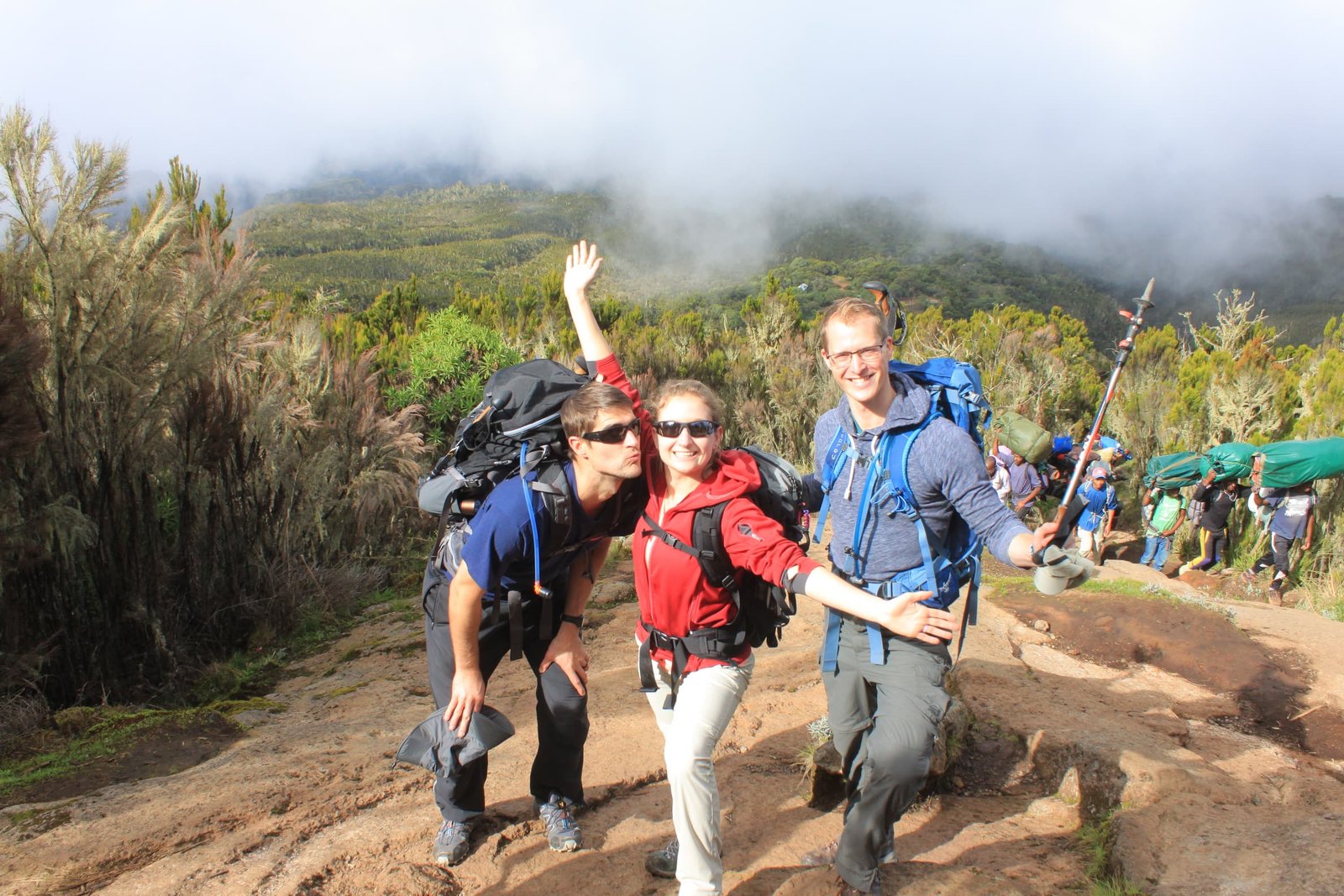
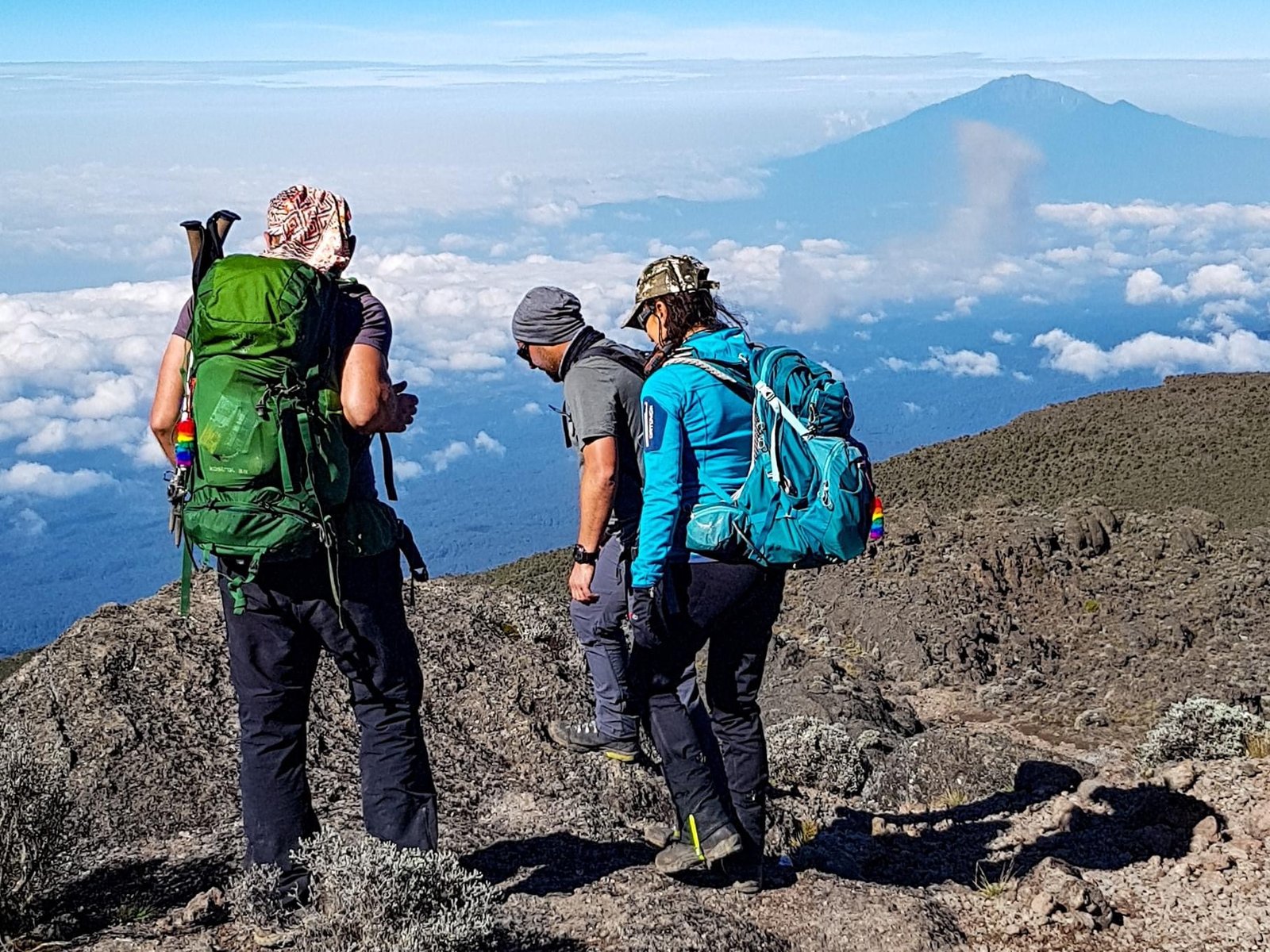

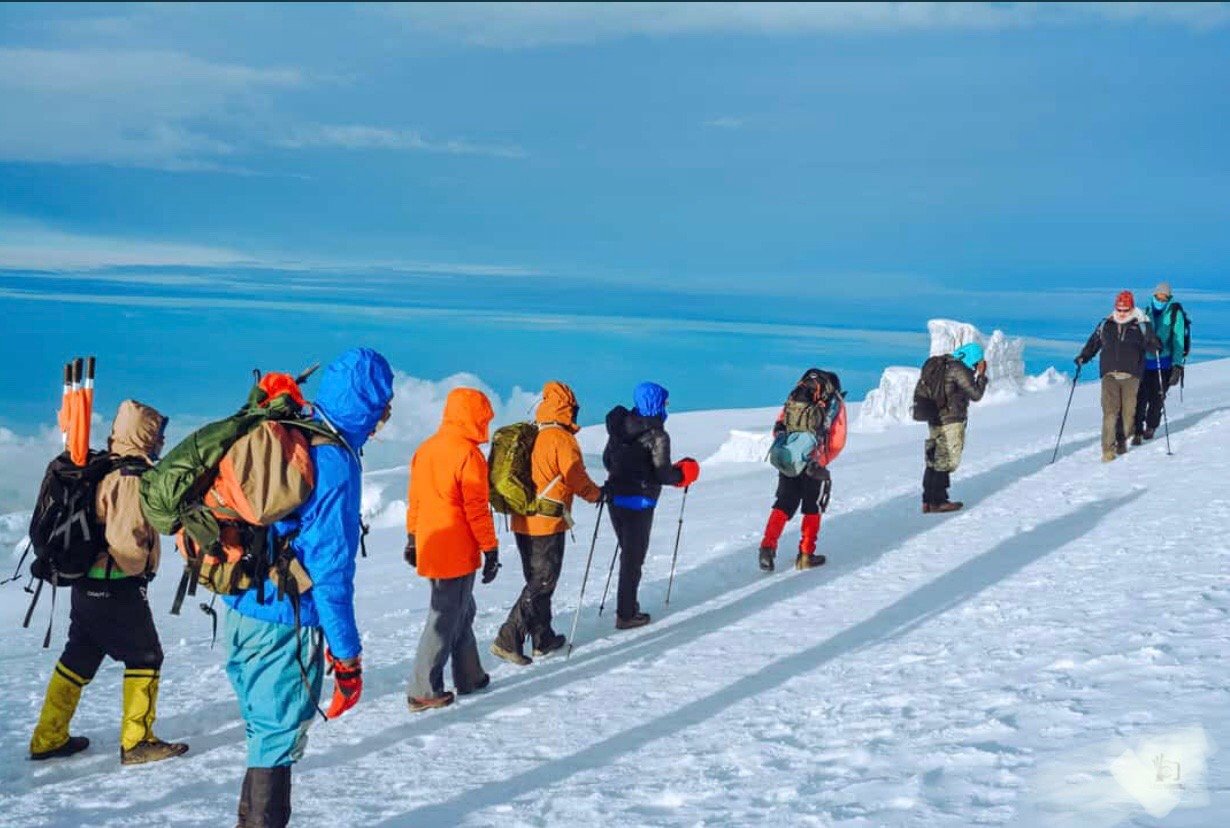
Your Peak. Our Passion.
Kilimanjaro Guide 2026–2028
2,00+
Summiteers 2022-202698%
Success Rate (8+ days)5,895m
Uhuru PeakWFR
Certified GuidesLOCAL
Moshi-BasedAMREF
Rescue PartnerAfrica's Crown — Standing Alone at 5,895m
Mount Kilimanjaro rises from the Tanzanian plains to the clouds — the highest mountain on the African continent, one of the Seven Summits, and the world's largest free-standing volcano. Unlike Everest, Kilimanjaro requires no technical climbing skills. Any fit, determined person can reach Uhuru Peak with the right guide and the right route.
Around 35,000 trekkers attempt the summit every year. Those who choose longer, properly paced routes with a certified local operator achieve success rates above 95% in 2026-2028. Our chief guides have lived in Moshi their entire lives — Kilimanjaro is part of who we are.
6–9
Days depending on route
4 Zones
Rainforest → Moorland → Desert → Arctic
-15°C
Summit temperature with wind chill
10+ yrs
Average Miwaleni guide experience
Life at Altitude – Kilimanjaro 2026
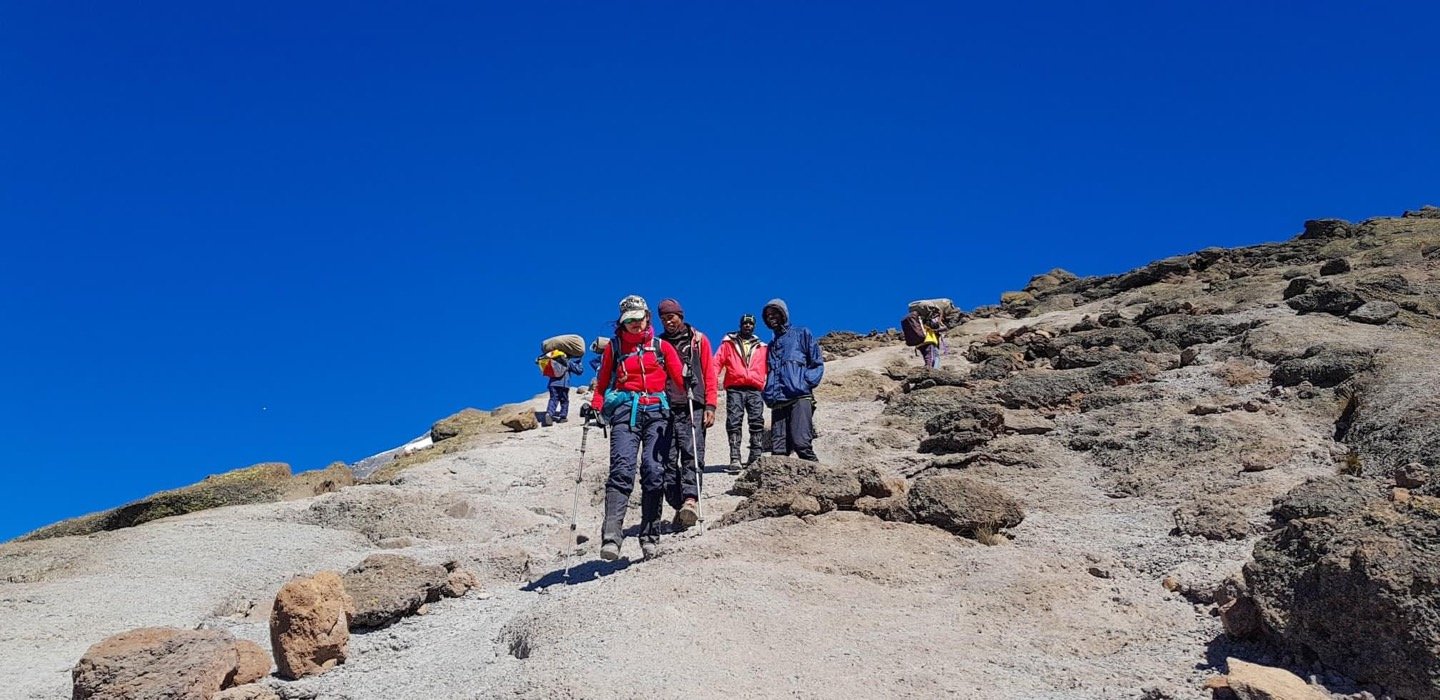
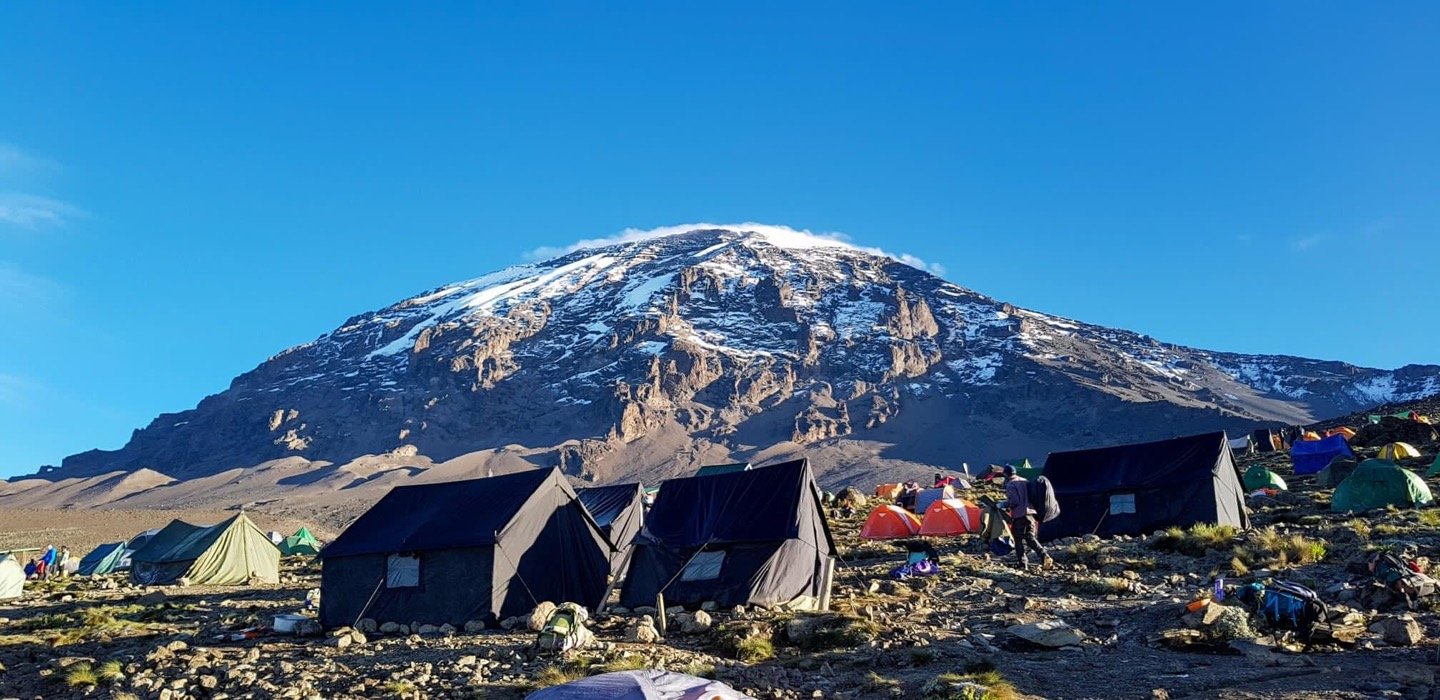
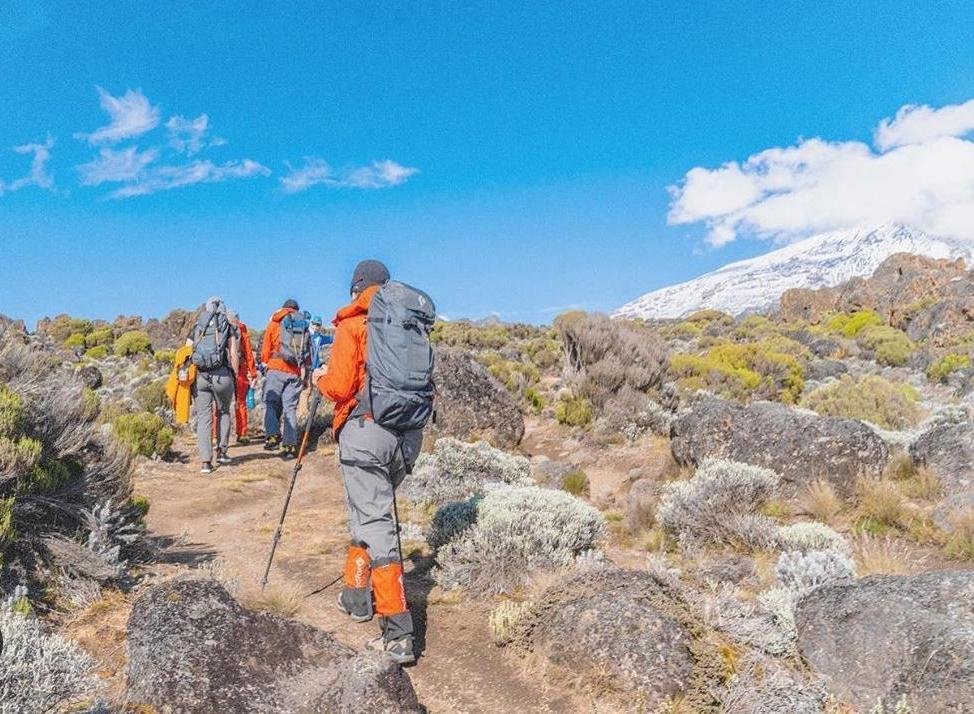
Best Time to Climb Kilimanjaro 2026–2028
Kilimanjaro can be climbed every month of the year. Two main dry seasons offer the best summit conditions, clearest skies, and most reliable weather.
☀️ January – March
Dry and clear. Quieter trails than summer — great for those wanting a more personal experience. January is particularly excellent with very stable conditions.
☀️ June – October
The most popular window. Reliable dry weather, spectacular summit views, best trail conditions. July & August are peak — book 3–6 months in advance.
Four Worlds in One Climb
As you ascend Kilimanjaro you travel through four dramatically different climate zones — from tropical rainforest to glacial arctic — in the space of a single week. It is one of the most ecologically diverse hikes on Earth.
🌿 Cultivation & Rainforest Zone
Dense montane forest with colobus monkeys, giant ferns and hornbills. Warm and humid (20–25°C). Often draped in mist — lush and atmospheric.
🌾 Heather & Moorland Zone
Open moorland with giant heather trees reaching 10m. Temperature drops to 5–15°C. Panoramic mountain views and dramatic skies begin here.
🏜️ Alpine Desert Zone
Barren and windswept with wild temperature swings — cold nights (-5°C), warm days (+20°C). The body begins to feel altitude here.
❄️ Arctic Summit Zone
Ancient glaciers, ice fields and the crater rim. Temperature drops below -15°C with wind chill. Oxygen at just 50% of sea-level levels.
Location & Access Gates for 2026 Climbs
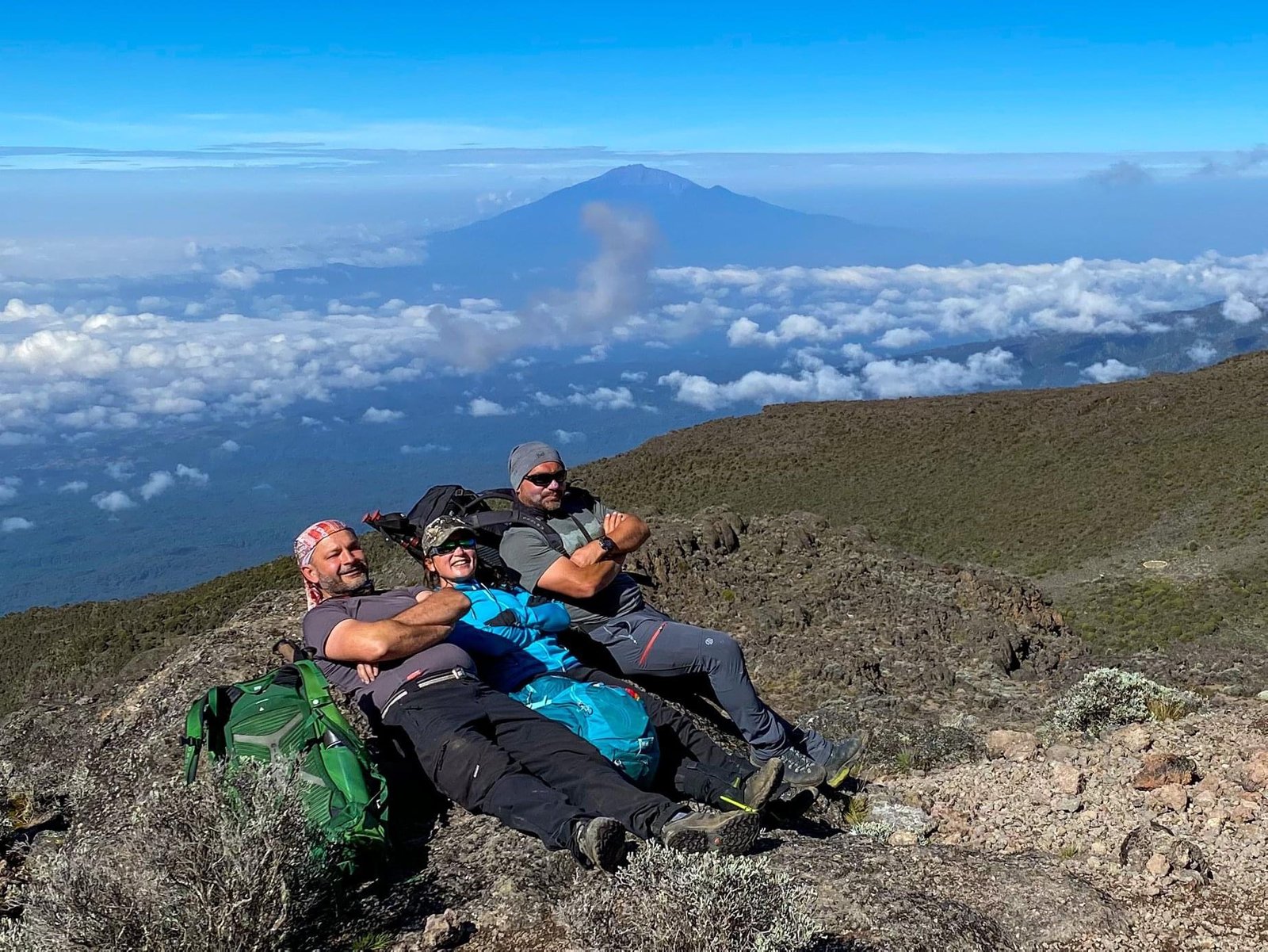
Mount Kilimanjaro is located in northeastern Tanzania, near the border with Kenya. The main climbing routes start from the south and west, with the closest town being Moshi – home to our base and where your adventure begins.
🏙️ Closest city: Moshi (approx. 45 min from Kilimanjaro Airport)
Choose Your Kilimanjaro Route 2026–2028
Six official routes lead to Uhuru Peak. The single biggest factor in your success is how many days you give your body to acclimatize. Longer routes = significantly higher summit rates (see table below).
| Route | Days | Success Rate | Difficulty | Crowds | Best For |
|---|---|---|---|---|---|
| Northern Circuit | 9 | 98% | Moderate | Very Low | Max success, solitude |
| 8 | 95% | Moderate | Low | Scenic, first-timers | |
| 7 | 88% | Mod–Hard | High | Adventure, challenge | |
| 7 | 85% | Moderate | Low | Rainy season, quiet | |
| 6 | 70% | Moderate | High | Hut sleeping, budget | |
| 6–7 | 68% | Hard | Very Low | Experienced trekkers |
Northern Circuit — 9 Days
The newest route, looping Kilimanjaro's entire northern slopes for a genuine 360° experience. Maximum acclimatization time, highest summit rates, virtually zero crowds.
Lemosho Route
The most scenic route on the mountain, traversing the pristine Shira Plateau. Excellent acclimatization profile and outstanding views. Our top recommendation for first-time climbers.
Machame Route
The legendary "Whiskey Route" — steep, dramatic, and scenically varied. Features the iconic Barranco Wall scramble that climbers rave about. The most popular route on the mountain.
Rongai Route
Approaching from the Kenyan side — the driest route on the mountain. Ideal during the April–May rainy season. Peaceful, remote, and offering unique northern views not seen on other routes.
Marangu Route
The "Coca-Cola Route" — the only path on Kilimanjaro with permanent A-frame hut accommodation instead of tents. Most affordable option. Note: shorter duration means less acclimatization time.
Umbwe Route — 6–7 Days
The steepest and most direct route — not for beginners. Umbwe is a raw, demanding wilderness experience for experienced trekkers seeking a genuine physical challenge. Rapid ascent = less acclimatization time.
What Are Your Summit Odds?
Answer three questions for a personalised summit probability estimate based on real 2026 success rate data across all routes.
Altitude, AMS & The Miwaleni Safety System
Acute Mountain Sickness (AMS) is the primary reason climbers fail on Kilimanjaro — not fitness. It affects up to 75% of all climbers to some degree above 3,000m. The good news: it is largely preventable with the right route choice, the right pace, and a trained guide monitoring your health every day.
Our 6-Point Safety Protocol (2026 Update)
- 💊Twice-Daily Pulse Oximetry
Blood oxygen and heart rate checked every morning and evening. - 🏔️Climb High, Sleep Low
Rest days built into all longer routes for proper acclimatization. - 💧Guided Hydration Protocol
3–4 litres of water daily, filtered and boiled. - 🚑Emergency Oxygen & Gamow Bag
Portable oxygen and hyperbaric bag on every expedition. - 🚁AMREF Flying Doctors
Helicopter rescue coordination. - 🎓WFR-Certified Lead Guides
Wilderness First Responder certification.
How to Train for Kilimanjaro 2026
Cardio Base
Run or cycle 3–4× per week. Build to running 5km without difficulty.
Long Hike Days
One 4–6 hour hike per week with a loaded daypack (8–10kg).
Stair Climbing
The most targeted exercise for Kilimanjaro. 20–30 minutes three times per week.
Core & Legs
Squats, lunges, and core work protect your knees on long descents.
What to Pack for Kilimanjaro 2026–2028
🧥Clothing Layers
- Moisture-wicking base layer
- Fleece mid-layer
- Insulated down jacket (summit essential)
- Waterproof hardshell jacket & trousers
- Convertible hiking trousers
- Thermal underwear (summit night)
- Sun hat + warm beanie + balaclava
- Liner gloves + thick insulated gloves
🥾Footwear
- Waterproof hiking boots (well broken in!)
- Camp sandals or light shoes
- Wool hiking socks × 4–5 pairs
- Blister-prevention liner socks
- Trekking poles (strongly recommended)
🎒Pack & Carry
- Daypack 20–30L (you carry on trail)
- Duffel bag 70–90L (porter carries)
- Dry bags / compression sacks
- 2L water bottles + hydration bladder
- Headlamp + spare batteries
- UV400 sunglasses or glacier glasses
🩺Health & Essentials
- Travel insurance documents (mandatory)
- Personal first aid kit
- Ibuprofen / paracetamol
- Diamox — consult your doctor first
- Blister pads & sports tape
- High-SPF sunscreen & lip balm
- Hand sanitiser & wet wipes
- Energy bars & trail snacks
What Does Kilimanjaro Cost in 2026?
| Component | Typical Range | Included by Miwaleni? |
|---|---|---|
| Park Entry & Conservation Fees TANAPA fees, rescue levy, camping/hut fees | $800–$1,000 | ✓ Included |
| Certified Guides & Porters | $600–$900 | ✓ Included |
| Chef-Prepared Meals & Water | $200–$300 | ✓ Included |
| 4-Season Tents & Equipment | $150–$250 | ✓ Included |
| Airport & Gate Transfers | $80–$150 | ✓ Included |
| Crew Gratuities (Tips) | $250–$350 | Paid on mountain |
| Travel Insurance | $200–$400 | Your responsibility |
| Tanzania eVisa | $50–$100 | Your responsibility |
Group Climb (7–8 Days)
Per person. Join our scheduled group departures.
Private Climb (7–9 Days)
Your group only. Tailored experience.
⚠️ Beware Budget Operators
Operators charging below $2,000 cut corners that endanger lives.
What Our Summiteers Say (2025-2026)
Standing at Uhuru Peak at sunrise — nothing in my life has compared. Miwaleni's guides were incredible.
Sarah L.
🇬🇧 Lemosho 8d, 2025I had mild AMS on day 4 — the guides adjusted our pace immediately. Professional, warm and expert.
Michael K.
🇩🇪 Northern Circuit 9d, 2026Booked solo, arrived to a family. The guides sang Kilimanjaro songs at camp each evening — magical.
Amara T.
🇺🇸 Machame 7d, 2025Kilimanjaro Guide 2026–2028: Common Questions
Ready for the Roof of Africa?
Message our Chief Guide today for a personalised 2026–2028 itinerary, gear advice, and a transparent quote. We're based in Moshi — at the foot of Kilimanjaro.