
Climbing Kilimanjaro Solo: A Complete Guide (2026–2028)
Everything solo climbers need to know – from joining groups to safety, costs, and why Miwaleni is your perfect partner.
📑 What you'll learn in this guide
🎒 Can You Climb Kilimanjaro Solo?
Yes – but “solo” doesn’t mean alone. Tanzanian National Parks Authority (TANAPA) regulations require all climbers to be accompanied by a licensed guide. You cannot climb Kilimanjaro completely by yourself.
However, you can climb as a solo traveller in two ways:
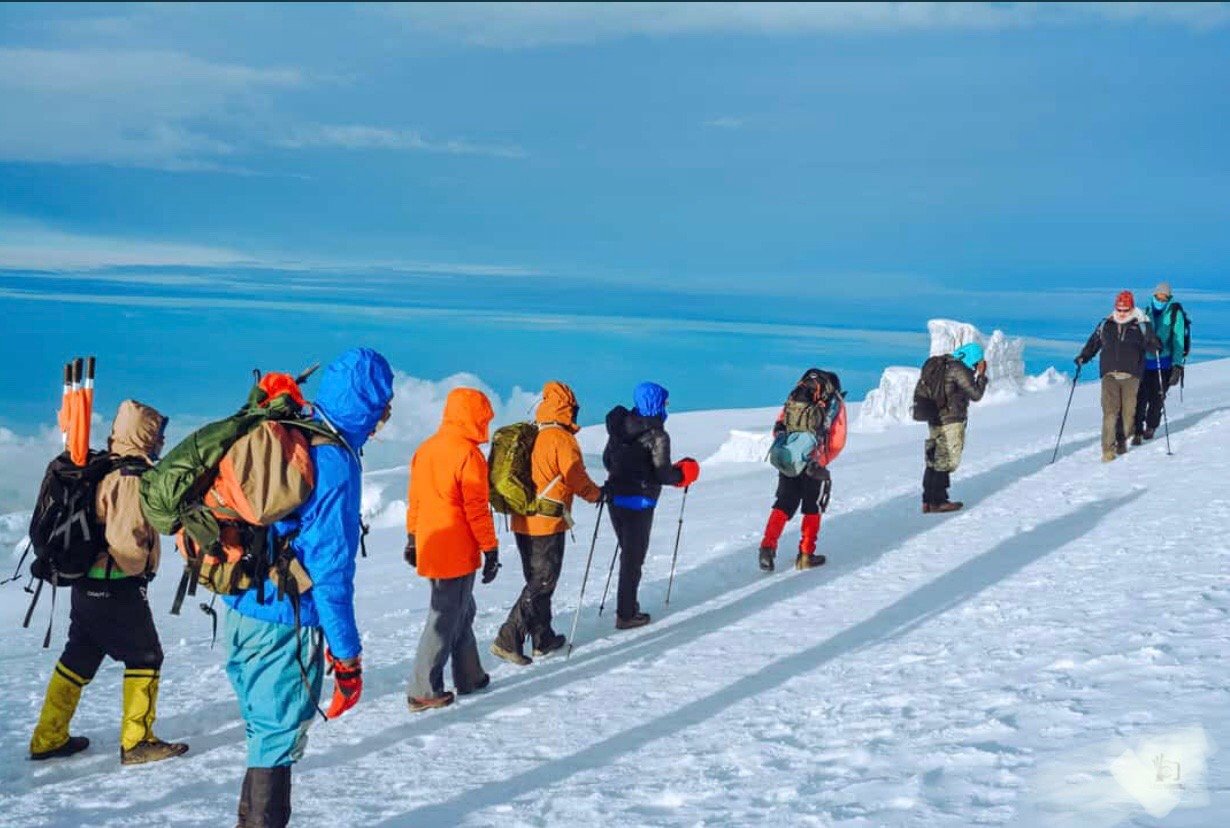
- Join a scheduled group departure – you’ll be with other climbers (usually 4‑8 people). This is the most popular and affordable option.
- Hire a private guide and crew – you climb alone with just your guide, assistant guide, chef, and porters. This is more expensive but offers total flexibility.
Most solo climbers choose the group option – it’s social, safer, and budget‑friendly.
⚖️ Solo (Private) vs. Group: Pros & Cons
| Aspect | Join a Group | Private Solo Climb |
|---|---|---|
| Cost | Lower – shared costs (guides, porters, park fees per person) | Higher – you pay for entire crew |
| Social experience | High – meet other climbers, share the journey | Low – only you and your guide |
| Flexibility | Fixed departure dates, group pace | Your schedule, your pace, your route choice |
| Safety | Very safe – group support, multiple guides | Very safe – but you rely solely on your private guide |
| Best for | Budget‑conscious solo travellers who enjoy meeting others | Those wanting privacy, total control, or climbing off‑season |
👥 Joining a Group: How It Works
We have regular group departure dates for all major routes (Lemosho, Machame, Marangu, Rongai). Here’s the process:
- Check our group joining page for upcoming dates and available routes.
- Choose a date that fits your schedule.
- Book your spot with a deposit.
- A few weeks before departure, we’ll share the final group details and a WhatsApp group for communication.
- Meet your fellow climbers at our Moshi base the day before the climb.
Group sizes are typically 4‑8 climbers. You’ll have your own tent (unless you request to share), but you’ll share dining and social time with the group.
💡 Pro tip: Many solo climbers become lifelong friends with their group. Don’t underestimate the power of shared suffering and celebrating at the summit together!
🛡️ Safety Tips for Solo Climbers
- Choose a reputable operator: Don’t cut corners. Look for KPAP membership, WFR‑certified guides, and transparent safety protocols (we have all three).
- Share your itinerary: Let family or friends know your exact dates and route. Our emergency contact system also shares your plan.
- Listen to your guide: They are experienced professionals. If they recommend descending, trust them.
- Stay with your group: Even in a group, don’t wander off alone. Always hike with at least one other person.
- Pack a personal locator beacon (optional): Some solo climbers bring a PLB for extra peace of mind – though our guides carry satellite phones.
💰 Single Supplement Fees Explained
The “single supplement” is an extra fee charged when you request a private tent (instead of sharing with another solo climber of the same gender). Most group departures pair solo climbers together to avoid this fee.
- No single supplement: If you’re willing to share a tent with another solo climber (same gender). This is the default for our group climbs.
- Single supplement applies: If you want a private tent (more privacy, more space). This typically adds $200‑$400 to the total price, depending on route length.
For private solo climbs (just you and the crew), there’s no “supplement” – you simply pay the full private price.
🎒 Packing Considerations for Solo Climbers
Packing is similar to group climbers, but with a few extra notes:
- You still have a porter – even solo, a porter carries your main duffel bag (max 15kg).
- You carry your own daypack – water, snacks, layers, camera (5‑8kg).
- Power banks are essential – no sharing outlets, so bring 2‑3 fully charged banks.
- Entertainment: A book, Kindle, or downloaded movies – evenings alone in your tent can be long.
- Earplugs: If you’re sharing a tent, earplugs help with snoring. If you’re in a private tent, you might still hear other groups.
See our full packing list for detailed recommendations.
🏔️ Why Miwaleni Travel Is Ideal for Solo Climbers
- Regular group departures – we have scheduled climbs on all major routes, so you’ll never be alone.
- Small group sizes – max 8 climbers, ensuring personal attention and a friendly atmosphere.
- Experienced, WFR‑certified guides – safety is our top priority.
- No forced single supplement – we’ll pair you with another solo climber of the same gender (if available) to save you money.
- Transparent pricing – solo prices are clearly listed on our pricing page.
- Pre‑climb WhatsApp group – you’ll connect with your fellow climbers before you even arrive in Tanzania.
❓ Frequently Asked Questions for Solo Climbers
A: Unlikely. In a group, you’ll hike, eat, and celebrate together. Solo private climbs can be quiet, but many enjoy the solitude.
A: Absolutely. We have many solo female climbers. We can pair you with another female for tent sharing, or you can pay a single supplement for a private tent.
A> You’ll still have your own tent (no extra charge – you just won’t have a roommate).
A: Yes – Tanzania is a safe country, and our guides are professional and respectful. Thousands of solo women climb Kilimanjaro every year with no issues.
A: 2‑4 months is ideal – this gives us time to fill the group and pair you with others if you want to share a tent.
Ready to climb Kilimanjaro as a solo adventurer?
Check our group departure dates or ask for a private solo quote. We’ll make sure you feel safe, supported, and part of the family.